






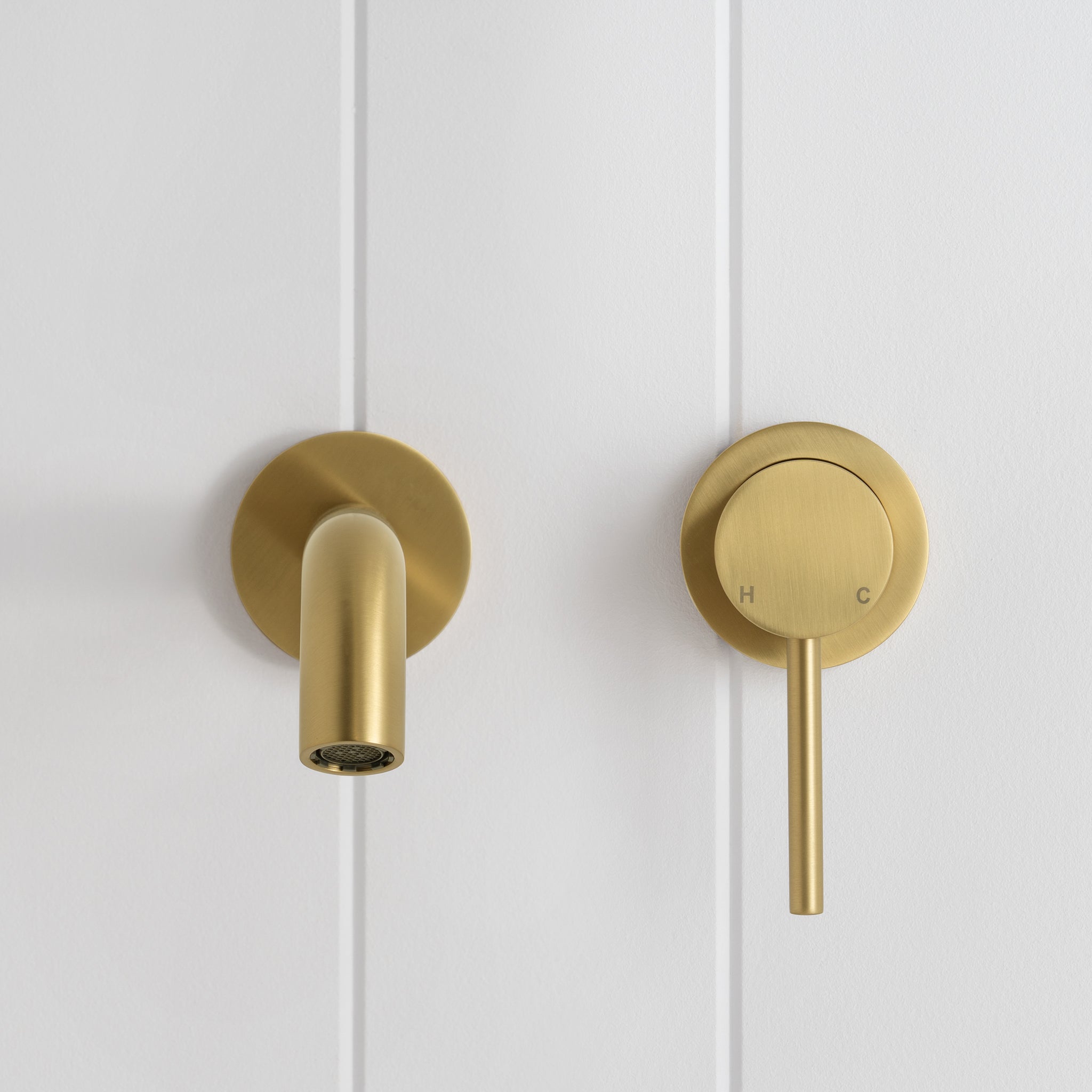
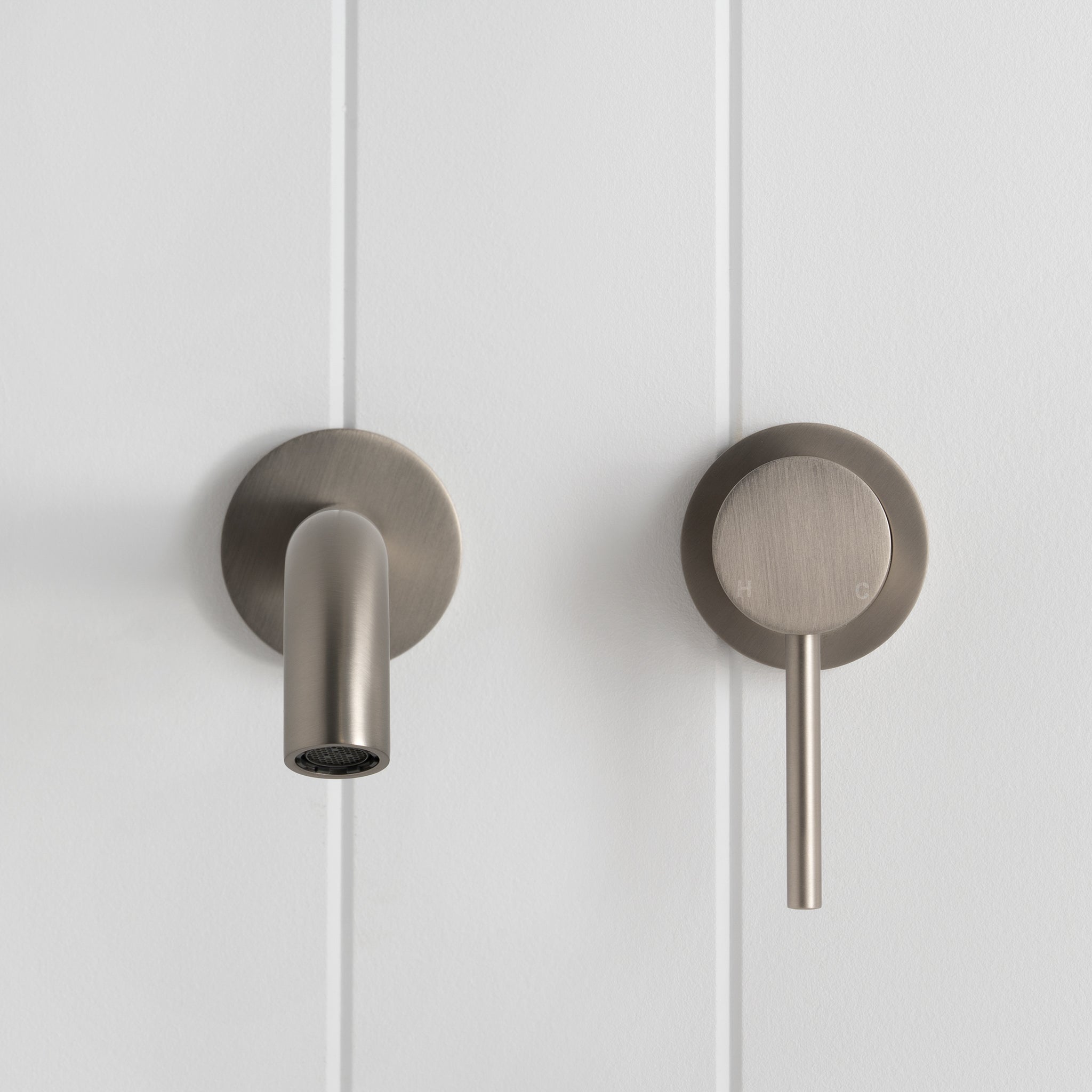
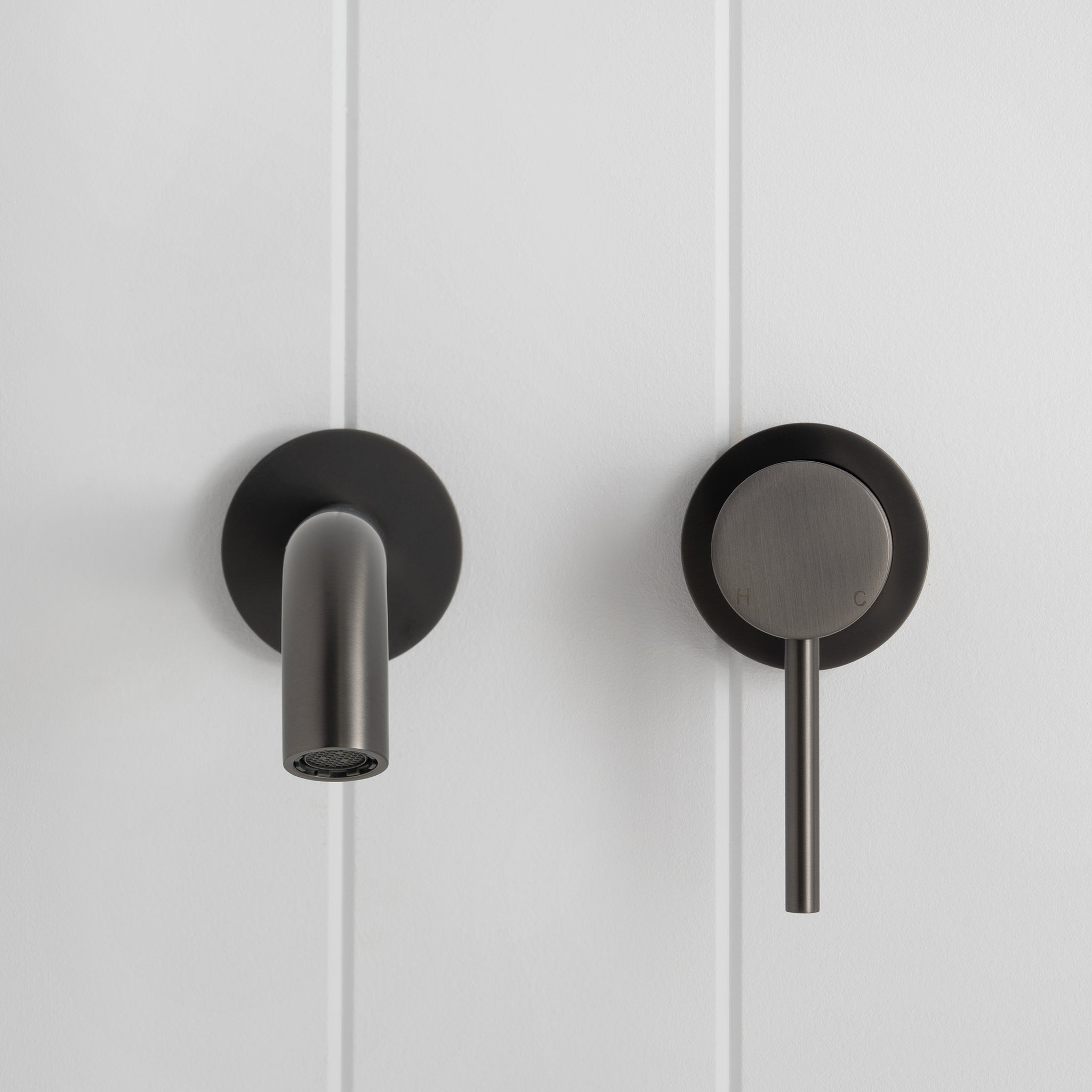
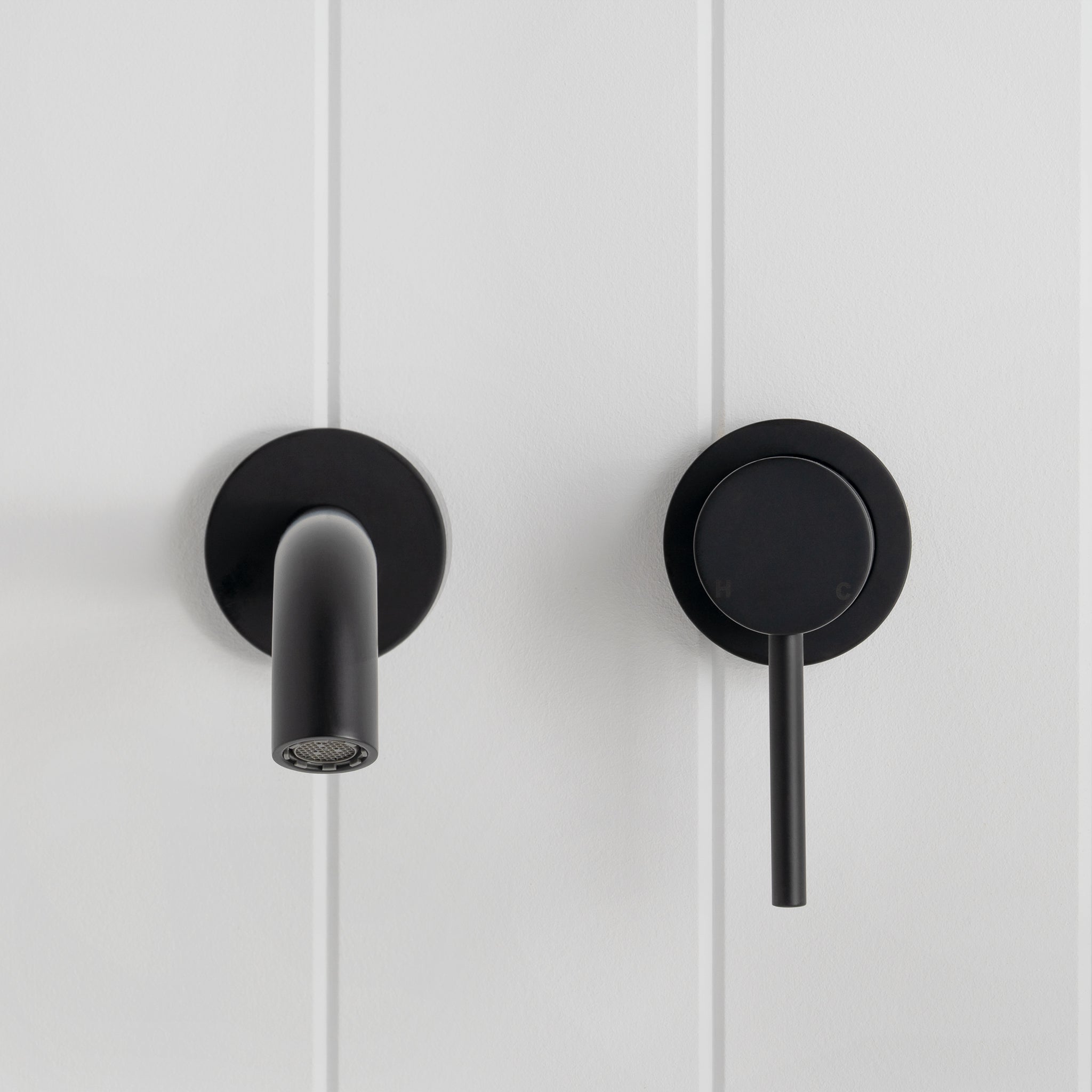
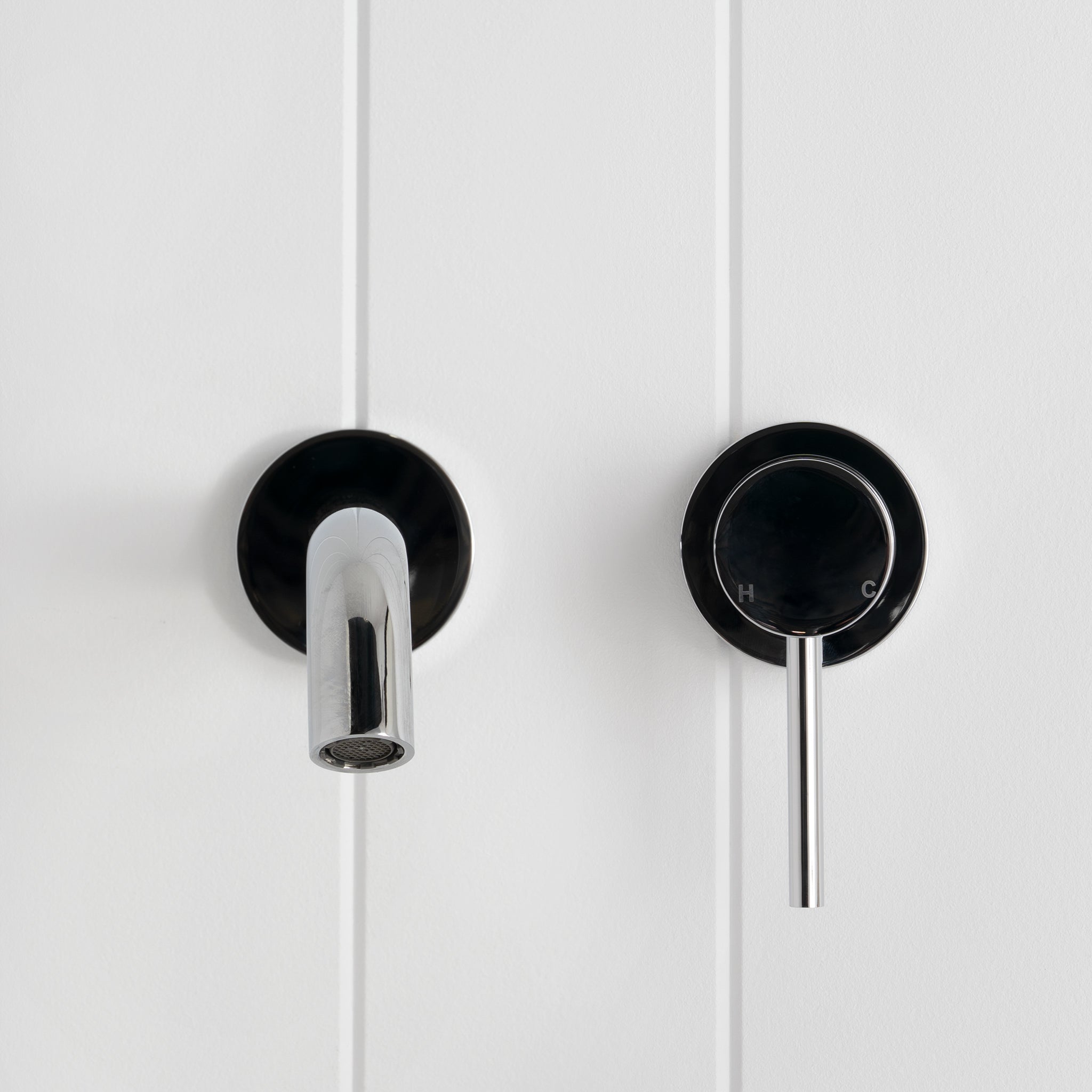


Whether tapware sits on the benchtop or emerges from the wall above it affects far more than appearance — it shapes daily cleaning, the plumbing work a renovation requires, and how the basin itself gets used every morning and evening. It's a decision worth making early, alongside the vanity and basin, rather than as a late-stage style preference — retrofitting the wrong choice later is far more disruptive than getting it right the first time.
This guide explains the genuine advantages, disadvantages and ideal applications of both wall-mounted and basin-mounted tapware, so you can choose based on your specific bathroom rather than which one photographs better. Both are entirely legitimate choices — the goal here is helping you match the right one to your renovation, not steering you toward either.
Why Trust InVogue Mirrors & Bathware? InVogue is an Australian retailer trusted in over 20,000 homes, specialising in LED bathroom mirrors, mirror cabinets and tapware in both wall-mounted and basin-mounted styles. The guidance in this article reflects genuine planning and usability considerations, not a preference for either option.
Quick Answer
- Choose a basin mixer for simpler installation, easier retrofitting and lower cost.
- Choose wall-mounted tapware for a cleaner benchtop line, provided it's planned during a full renovation.
- Neither is inherently better — the right choice depends on your plumbing, vanity, budget and basin design.
- A well-positioned basin mixer often looks more premium than a poorly planned wall-mounted tap.
Understanding the Two Options
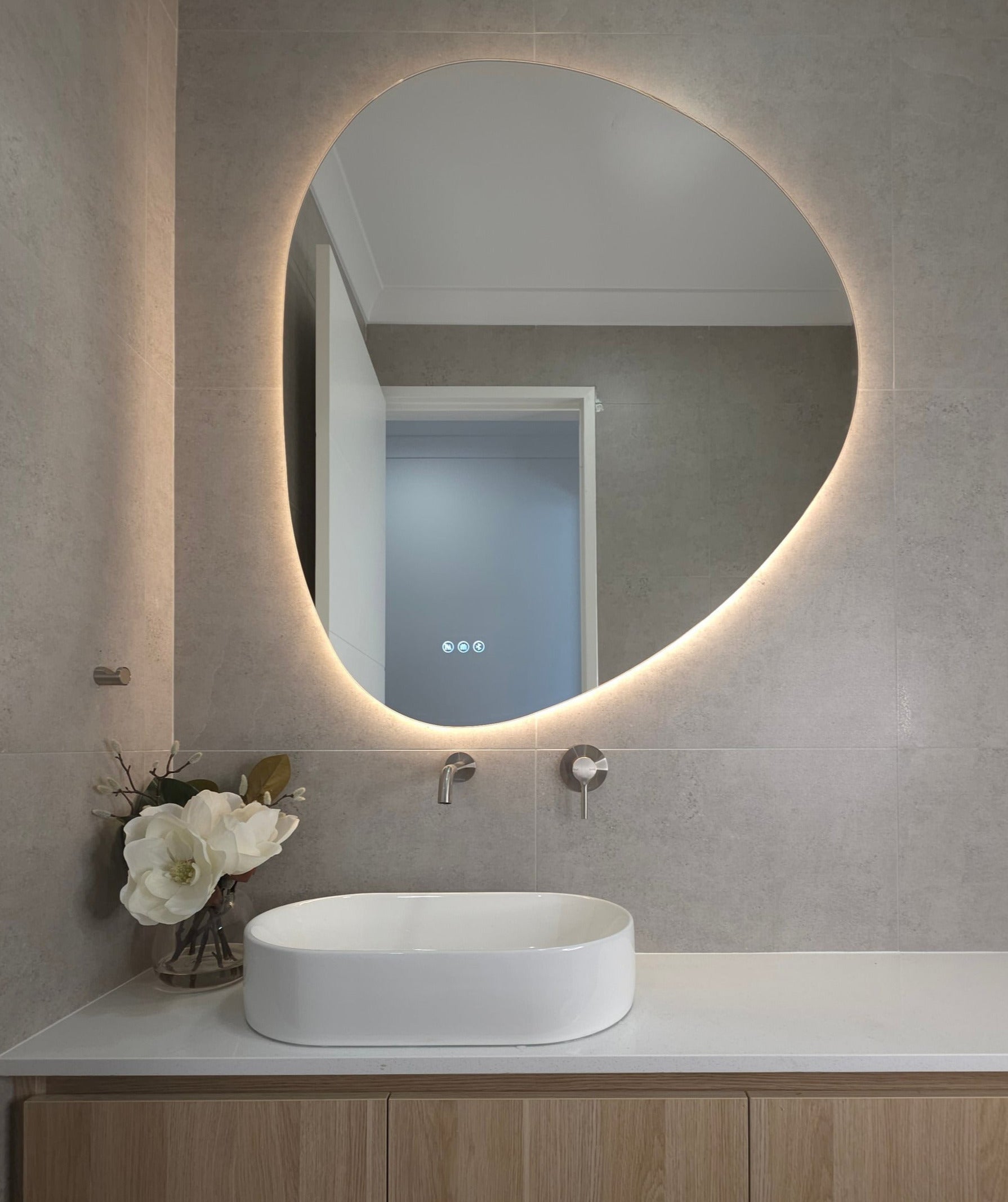
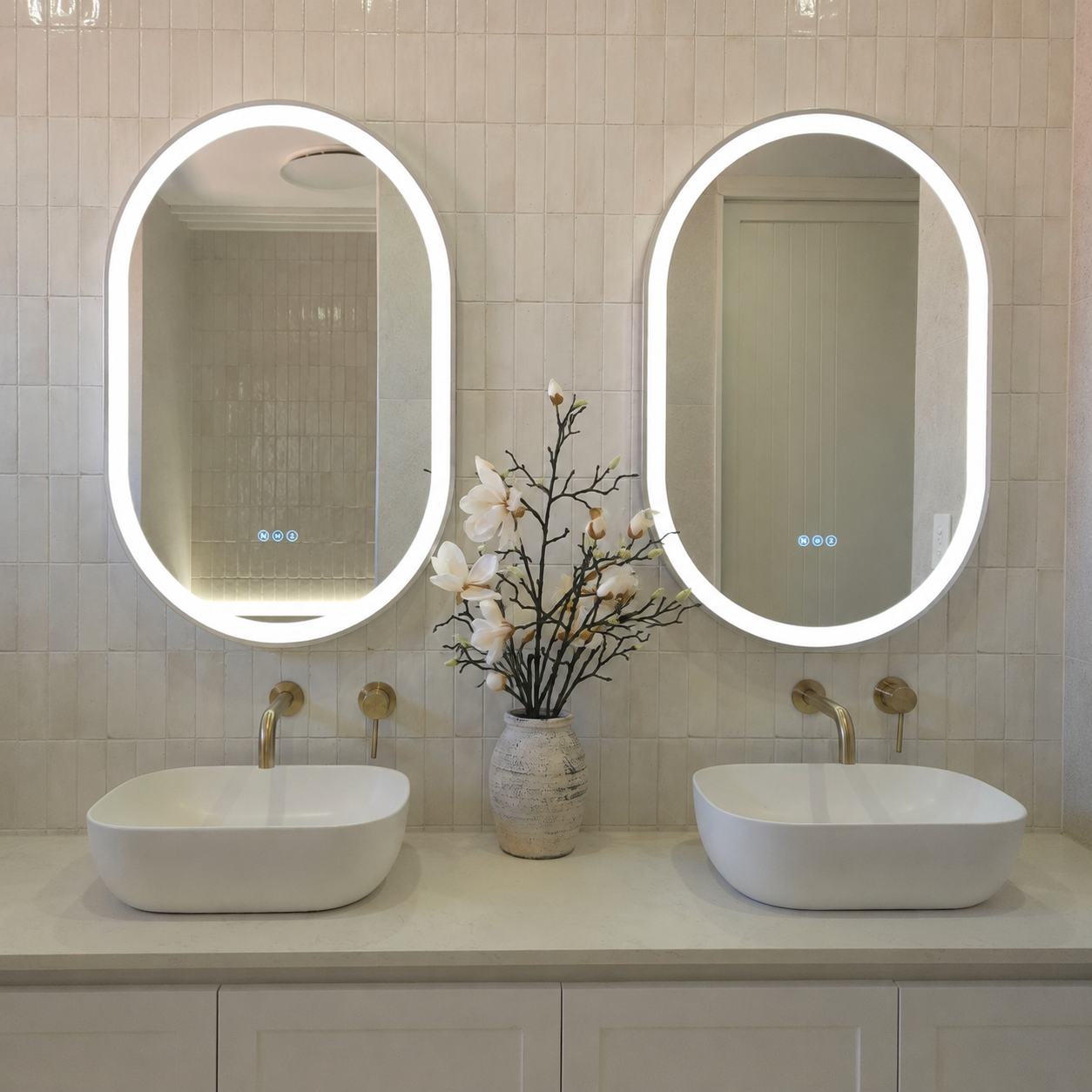
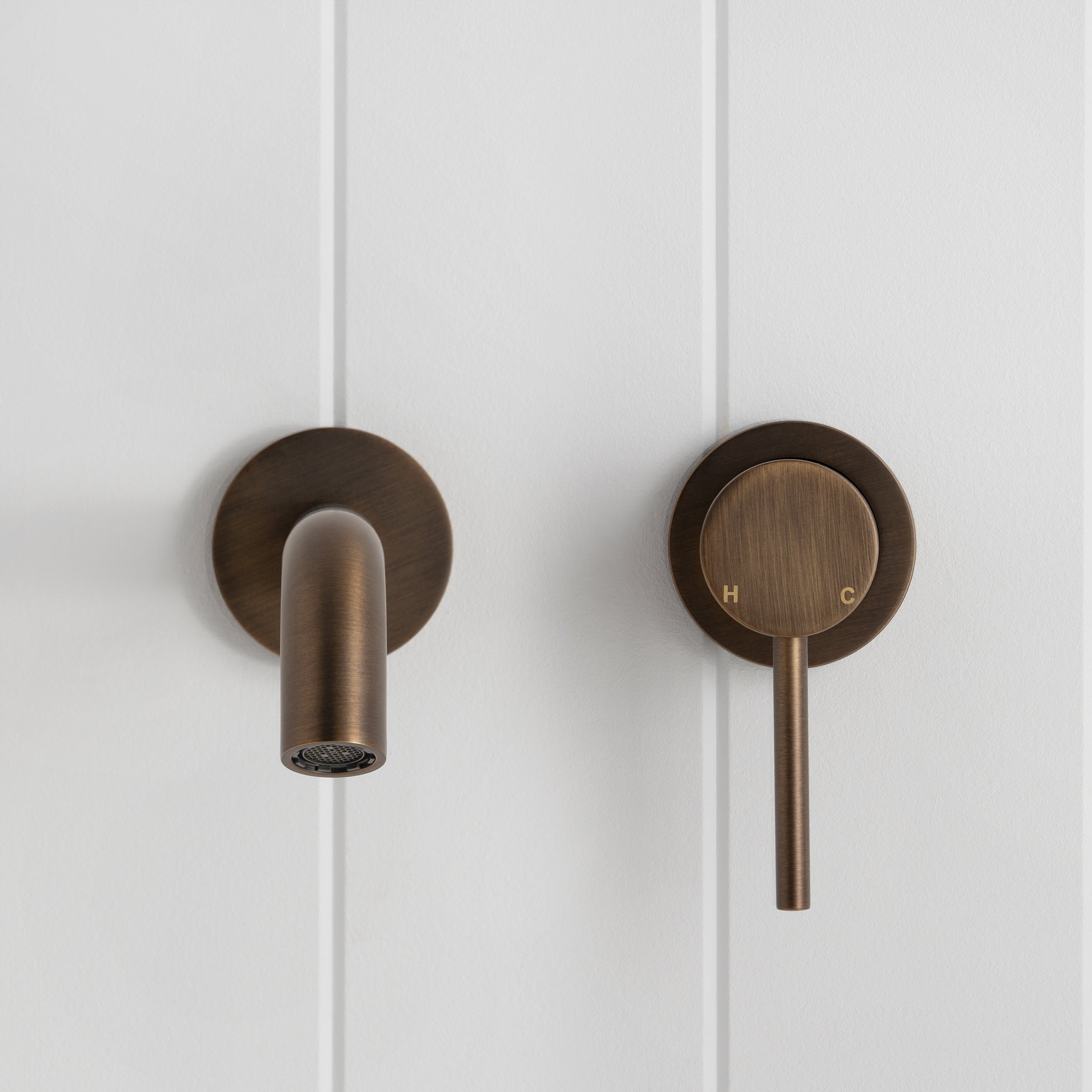
Basin mixer taps mount directly onto the vanity benchtop or basin itself, combining hot and cold control in a single fitting — the most common tapware type in Australian bathrooms. Wall-mounted taps are fitted into the wall above the basin, with only the spout and handles visible, leaving the benchtop completely clear beneath. In typical Australian installations, basin mixers remain the default in most renovations due to simpler plumbing, while wall-mounted tapware appears more often in new builds and full renovations where wall plumbing is planned from the outset. This split is largely practical rather than aesthetic — many homeowners who would otherwise prefer wall-mounted tapware ultimately choose a basin mixer simply because their renovation doesn't involve reopening the wall.
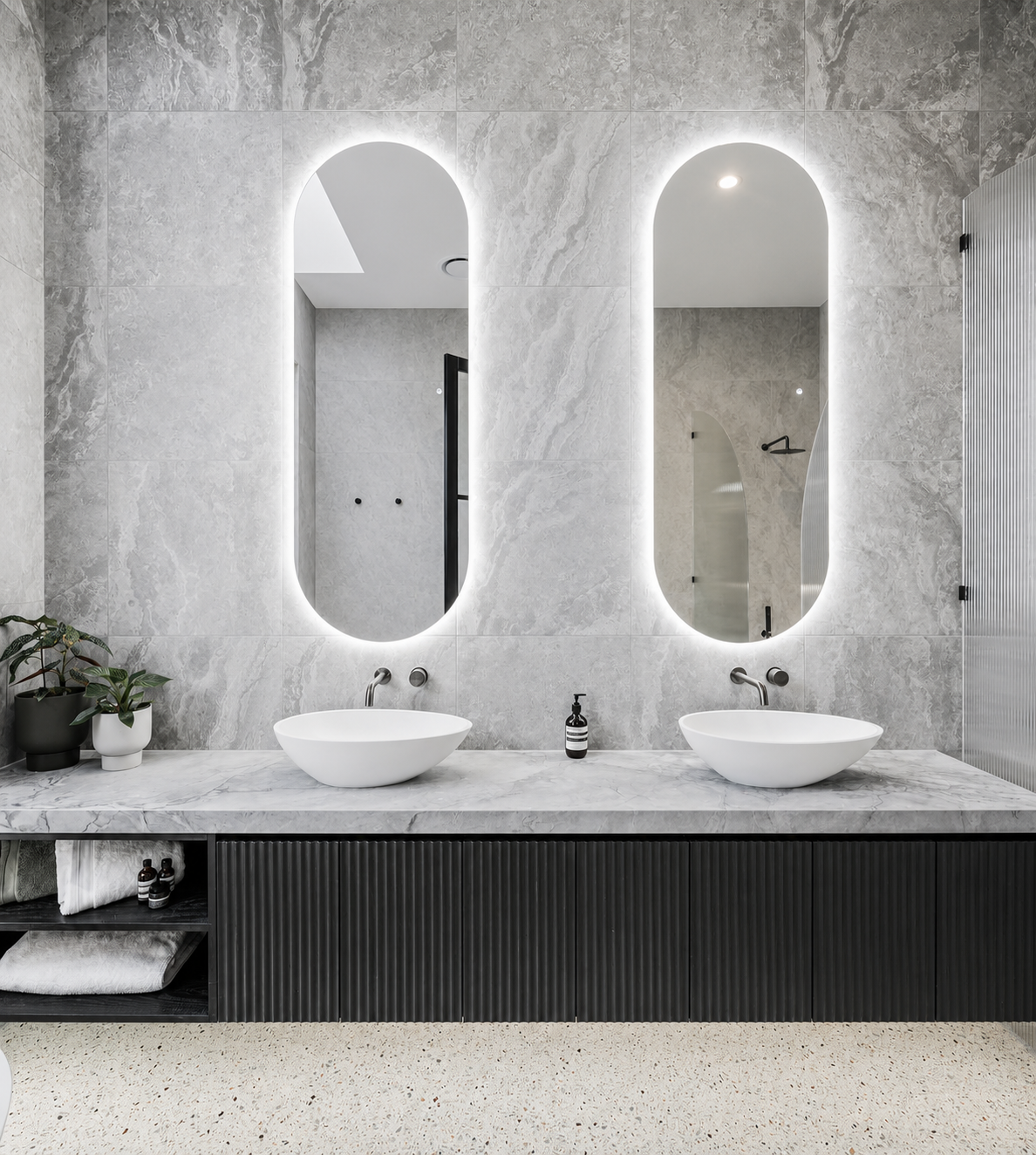
Each option interacts differently with basin design: basin mixers require a tap hole in the basin or benchtop, while wall-mounted tapware works with basins that have no tap hole at all, opening up a wider range of basin styles, including some vessel and above-counter designs that wouldn't otherwise be practical. This is one of the more overlooked reasons designers reach for wall-mounted tapware — it's often the deciding factor that makes a particular basin style workable in the first place, not simply a preference for how the fitting looks.
Designer Insight: wall-mounted tapware succeeds because of careful planning, not because it's inherently superior to a basin mixer. Get the height and spout projection wrong and it performs worse than a well-chosen basin mixer, regardless of how premium it looks in a showroom.

Basin Mixer Taps
Basin mixers offer genuine installation simplicity — no wall plumbing required, making them straightforward to fit during both new installations and straightforward tap replacements. This simplicity also brings cost considerations in their favour, since there's no additional plumbing work to budget for, freeing up renovation budget for other decisions like the vanity, mirror or lighting. For everyday practicality, a basin mixer sits within easy reach at counter height, and maintenance — servicing cartridges or replacing washers — is typically more accessible than a wall-mounted equivalent. Compatibility with vanity tops is broad, since almost any benchtop or basin with a standard tap hole will accept one, making a basin mixer the default, low-risk choice across almost every vanity style on the market.
Basin mixers suit small bathrooms, family bathrooms, guest bathrooms and any renovation where plumbing changes aren't part of the project scope. Because they don't require any wall modification, they also remain the more forgiving choice for renovations where the exact final layout isn't fully locked in yet.

Wall-Mounted Tapware
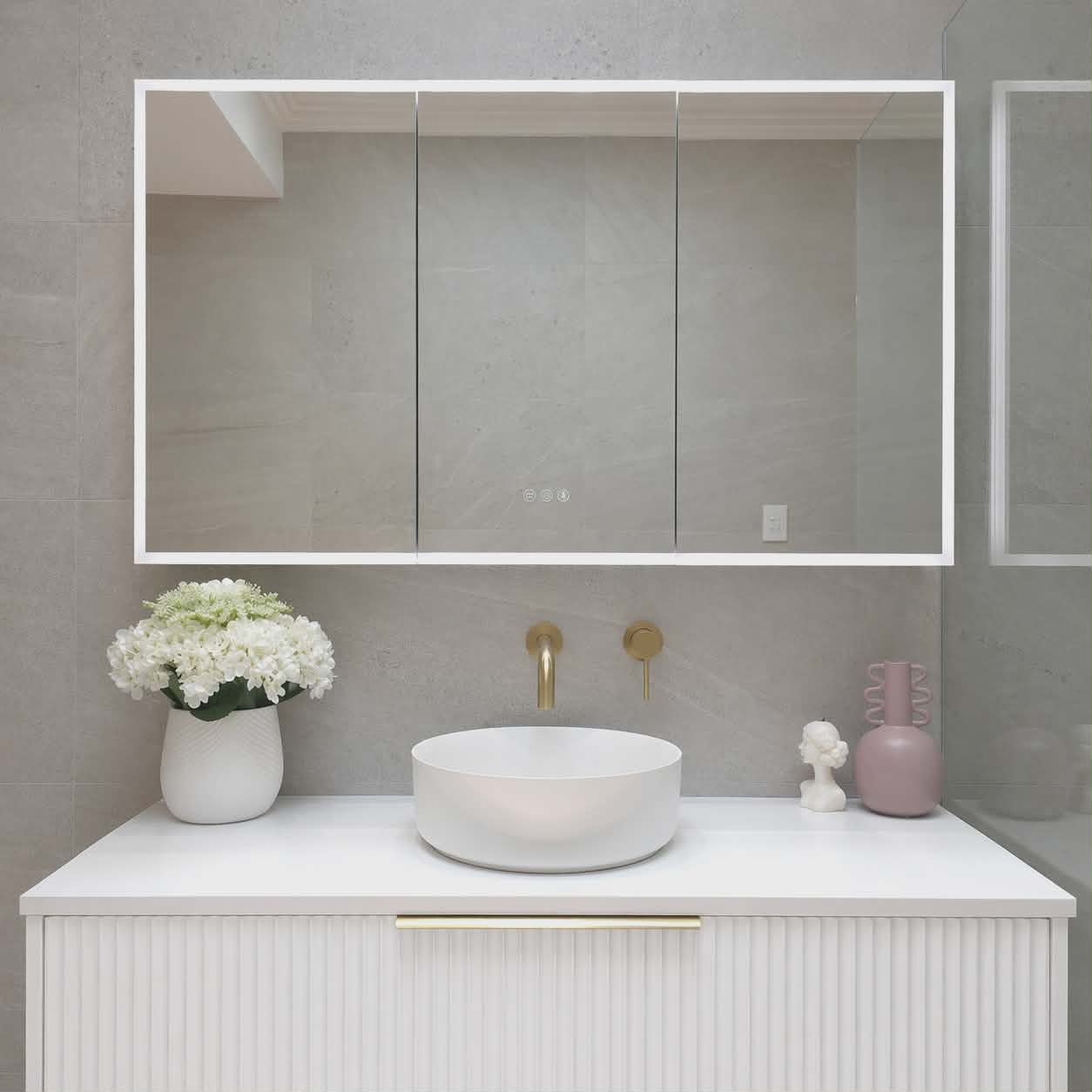
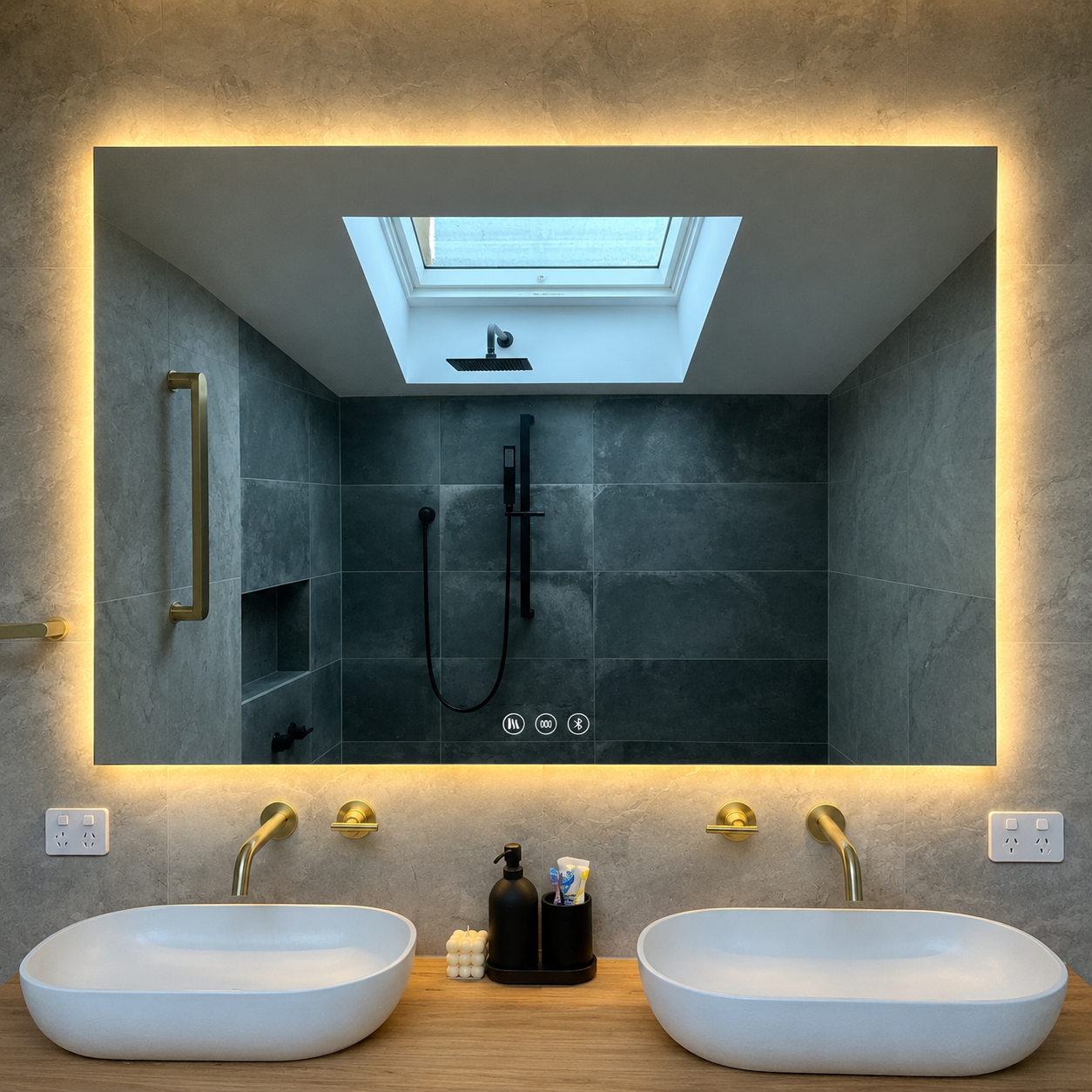
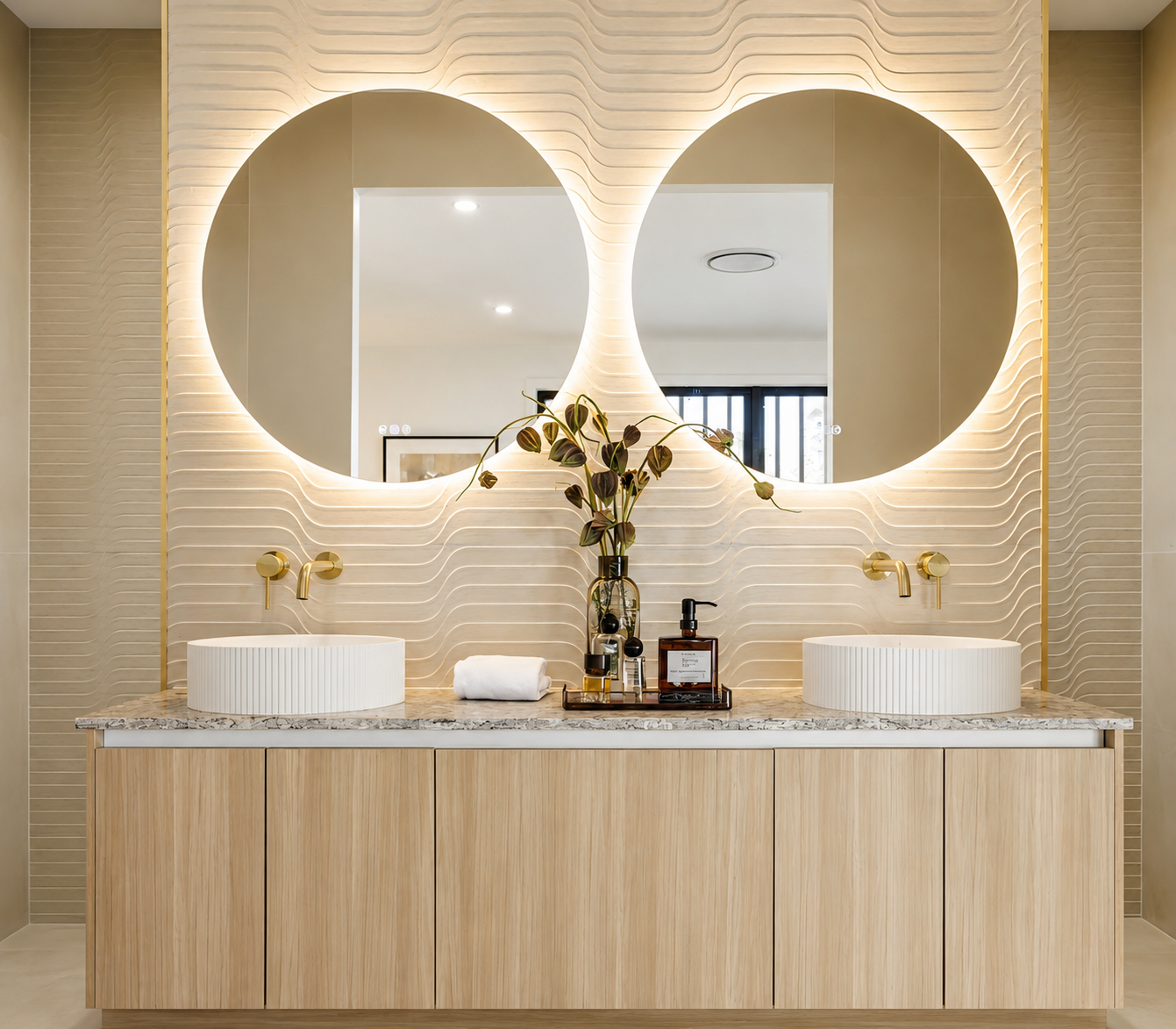
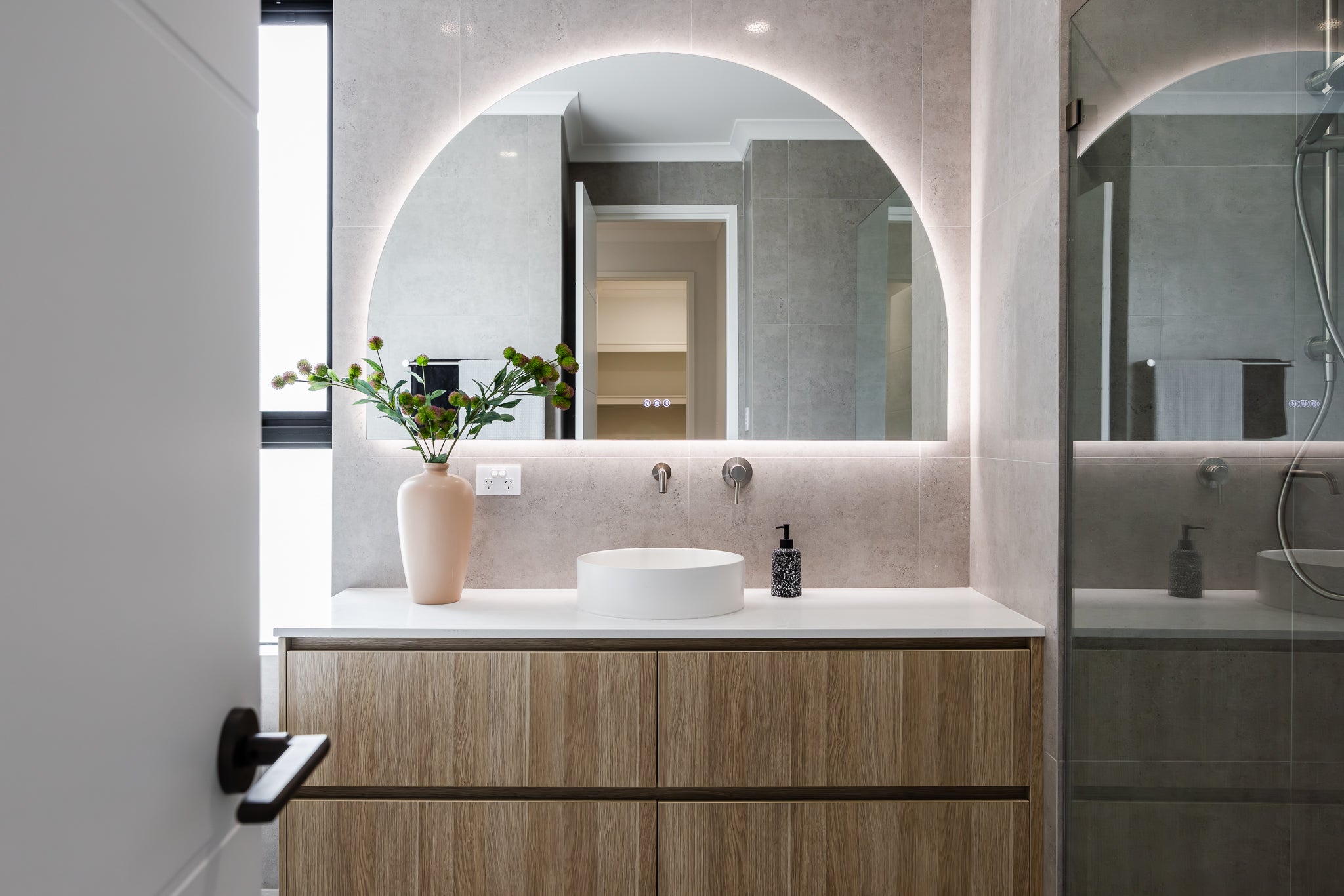
Wall-mounted tapware brings a genuine luxury appearance, with only the spout and handles visible against the wall. This directly supports cleaner benchtops, since there's no fitting base to clean around on the vanity top itself, which also makes wiping down the vanity a genuinely quicker daily task. Plumbing considerations are the main trade-off — wall plumbing must be roughed in before the wall is tiled, making this far easier to plan during a full renovation than to retrofit later. Splash management also needs consideration, since spout projection and basin depth together determine whether water lands where intended. Careful installation planning — height, projection, basin alignment — is what separates a wall-mounted tap that performs beautifully from one that splashes constantly. This planning burden is the genuine trade-off for the style's benefits, and it's why wall-mounted tapware rewards working with an experienced plumber rather than treating it as a straightforward fixture swap.
Wall-mounted tapware suits luxury ensuites, contemporary bathrooms with floating vanities, and any full renovation where wall plumbing can be planned from the start. It's a poor candidate for a quick tapware refresh, since the wall plumbing requirement makes it fundamentally a renovation-stage decision rather than a simple swap.
Designer Insight: a well-proportioned basin mixer often looks more premium than a poorly positioned wall-mounted tap. Scale and correct placement matter more to how “expensive” tapware looks than the mounting type itself.

Design Comparison
Wall-mounted tapware creates a lighter, more minimal visual balance on the vanity wall, while a basin mixer adds a small but tangible visual element at counter height. In terms of bathroom style, wall-mounted suits contemporary and luxury interiors particularly well, while basin mixers suit almost every style without restriction. Mirror selection is largely unaffected by tapware mounting type, though a clear benchtop beneath wall-mounted tapware can make an already large mirror feel even more spacious in the reflection. Vanity proportions matter more for wall-mounted tapware, since spout projection needs to align precisely with the basin regardless of vanity depth. The resulting benchtop appearance is the most visible difference day to day — clear and uninterrupted with wall-mounted tapware, or featuring a compact, functional fitting with a basin mixer. Over time, it's this daily visual impression, more than any single design decision, that shapes how the whole bathroom is perceived.
Installation Considerations
Rough-in planning for wall-mounted tapware must happen before tiling, since the plumbing sits within the wall cavity. Plumbing access for future servicing is generally easier with a basin mixer, since the mechanism sits above the benchtop rather than within the wall. Basin compatibility differs meaningfully: basin mixers need a tap hole, while wall-mounted tapware requires no basin modification at all, widening the range of compatible basin styles. Spout projection — the horizontal distance the spout extends from the wall — must be matched precisely to basin depth to avoid water landing short of or beyond the basin. Height above basin similarly needs careful calculation to avoid excessive splash. Future maintenance access should be planned for during installation, since wall-mounted components are harder to reach once tiling is complete. Where possible, incorporating an access panel behind the wall makes future servicing considerably more straightforward than relying on removing tiles.

Choosing by Bathroom Type
Small Bathrooms
A basin mixer is generally the more practical choice, avoiding additional plumbing work in a space where the budget is often better spent elsewhere. In a compact bathroom, the modest visual footprint of a well-chosen basin mixer rarely detracts from the overall design.
Family Bathrooms
Basin mixers suit the durability and easy-access maintenance needs of a busy, shared family bathroom. Being able to service or replace the fitting quickly, without disrupting tiling, is particularly valuable in a room used multiple times a day by several people.
Apartments
A basin mixer avoids the structural plumbing changes that are often impractical in a rental or apartment renovation. This makes it the far more realistic option where the building's plumbing infrastructure can't easily be modified.
Luxury Ensuites
Wall-mounted tapware suits luxury ensuites particularly well, where the clean benchtop line reinforces the room's overall restraint. Since luxury ensuites are typically part of a full renovation, the additional plumbing planning required is rarely a genuine obstacle.

Guest Bathrooms
A basin mixer covers occasional-use needs simply and cost-effectively, without requiring dedicated plumbing planning. Given the lighter use a guest bathroom sees, the practical trade-offs of wall-mounted tapware are harder to justify here.
Powder Rooms
Either option works well here — a basin mixer for simplicity, or wall-mounted tapware as a considered style statement in a room with no shower to plan around. With no competing plumbing requirements from a shower or bath, powder rooms are often the easiest room in the house to plan wall-mounted tapware into.
Coordinating With Mirrors
A frameless mirror pairs well with either tapware style, since there's no frame finish to coordinate directly. A framed mirror's finish is worth matching to the chosen tapware, whichever mounting type is used. A mirror cabinet's hardware finish should follow the same coordination principle. An LED mirror's lighting warmth can shift how a tapware finish reads, so it's worth viewing tapware under the intended mirror lighting where possible, particularly for finishes like gunmetal that shift noticeably between warm and cool light. For the complete mirror-selection process, see our Ultimate Bathroom Mirror Buying Guide; for vanity planning, see our Bathroom Vanity Buying Guide; and for lighting considerations, see our Bathroom Lighting Guide.
Common Buying Mistakes
- Wrong spout reach: a spout that doesn't align with the basin's centre causes water to land outside the intended area.
- Incorrect mounting height: positioned too high or too low, wall-mounted tapware can splash excessively or feel awkward to use.
- Ignoring splash: basin depth and spout height need to be considered together, not separately.
- Choosing style before practicality: wall-mounted tapware chosen without confirming plumbing feasibility can derail a renovation timeline.
- Poor basin compatibility: not every basin suits every tapware mounting type — this should be confirmed before either is purchased.
Designer Insight: cleaning routines should influence tapware choice as much as aesthetics. A household that prioritises a low-maintenance benchtop may get more lasting satisfaction from wall-mounted tapware than from a style choice based on appearance alone.
Expert Designer Recommendations
Designer's Rules
- Confirm plumbing feasibility before committing to wall-mounted tapware.
- Match spout projection and height precisely to the chosen basin.
- Let cleaning routines influence the decision as much as aesthetics.
- A well-proportioned basin mixer often looks more premium than a poorly positioned wall-mounted tap.
Comparison Tables
Wall-Mounted vs Basin Mixer
| Consideration | Wall-Mounted | Basin Mixer |
|---|---|---|
| Appearance | Clean, minimal benchtop line | Traditional, visible fitting |
| Installation | Requires wall plumbing rough-in | Simple, standard fitting |
| Cleaning | Easier — clear benchtop beneath | Requires cleaning around the base |
| Basin compatibility | Works with basins without a tap hole | Requires a standard tap hole |
| Best applications | Luxury, contemporary, full renovations | Most bathroom styles, simpler renovations |
Bathroom Style → Best Option
| Bathroom Style | Best Option |
|---|---|
| Modern / contemporary | Wall-mounted, if plumbing allows |
| Luxury / hotel style | Wall-mounted |
| Hamptons / traditional | Basin mixer |
| Coastal / Scandinavian | Basin mixer |
| Family / practical bathrooms | Basin mixer |
Installation Complexity
| Option | Installation Complexity |
|---|---|
| Basin mixer | Low — standard fitting, no wall work |
| Wall-mounted | Higher — requires wall rough-in before tiling |
Cleaning
| Option | Cleaning |
|---|---|
| Basin mixer | Requires cleaning around the base fitting |
| Wall-mounted | Easier — clear, uninterrupted benchtop |
Cost Considerations
| Option | Cost Considerations |
|---|---|
| Basin mixer | Lower — no additional plumbing work |
| Wall-mounted | Higher — plumbing rough-in adds cost |
Long-Term Flexibility
| Option | Long-Term Flexibility |
|---|---|
| Basin mixer | Easy to replace or upgrade later |
| Wall-mounted | Harder to change without reopening the wall |
Frequently Asked Questions
Are wall-mounted taps worth it?
For bathrooms undergoing a full renovation with wall plumbing already planned, yes — the cleaner benchtop and considered appearance are a genuine upgrade. For simpler updates, the added cost and complexity may not be worth it, particularly if the basin currently in place already has a tap hole that would go unused.
Are basin mixers easier to install?
Yes, considerably. Basin mixers require no wall plumbing and can typically be installed or replaced without opening up the wall.
Which is easier to clean?
Wall-mounted tapware, since the benchtop beneath it stays completely clear, with no base fitting to clean around.
Which costs more?
Wall-mounted tapware generally costs more overall once plumbing rough-in work is included, even if the tapware itself is similarly priced. The gap is usually most significant in a retrofit scenario, where the wall isn't already open for other renovation work.
Can I change from one style to the other later?
Switching from a basin mixer to wall-mounted tapware later generally requires opening the wall for plumbing, making it a significantly bigger job than a straightforward tapware upgrade. Going the other way — from wall-mounted to basin mixer — is comparatively simple, since it just requires capping the wall outlet and drilling a tap hole in the benchtop or basin.
What basin suits wall-mounted taps?
Basins without a tap hole — including many above-counter and vessel styles — work well with wall-mounted tapware, since there's no need for the basin itself to accommodate the fitting. This is one of the reasons wall-mounted tapware and statement above-counter basins are so often paired together in luxury bathroom design.
Designer's Cheat Sheet
Designer's Cheat Sheet
- ✔ Simple renovation? → Basin mixer
- ✔ Full renovation, luxury feel? → Wall-mounted, planned early
- ✔ Vessel or above-counter basin? → Wall-mounted works best
- ✔ Budget-conscious? → Basin mixer
- ✔ Unsure? → Basin mixer is the lower-risk, more flexible choice
Conclusion
Neither wall-mounted nor basin mixer tapware is universally better — the right choice depends on your plumbing, vanity design, basin selection, budget and desired aesthetic. A basin mixer offers simplicity, flexibility and broad compatibility, while wall-mounted tapware offers a cleaner, more considered look for renovations where the plumbing can be properly planned. Choosing based on your bathroom's actual constraints, rather than which option looks more impressive in a showroom, produces the better long-term result either way. Whichever you choose, getting the planning, positioning and basin pairing right matters more to the end result than the mounting type itself.
Ready to choose your tapware? Explore our complete Tapware, Smart Mirrors and Mirror Cabinets collections, or browse our Best Sellers if you're not sure where to start.
Where To Next?
- Start here: Bathroom Tapware Buying Guide: How to Choose the Right Tapware for Your Bathroom (2026 Edition)
- Related guides: Bathroom Tapware Finishes Explained, Bathroom Vanity Buying Guide, The Ultimate Bathroom Mirror Buying Guide (2026 Edition), Bathroom Renovation Mistakes: 21 Costly Mistakes to Avoid Before You Build, Bathroom Lighting Guide, Bathroom Mirror Ideas: 25 Designer-Approved Ideas for Every Bathroom Style and Bathroom Storage Ideas: 23 Smart Ways to Create a More Organised Bathroom
- Browse: the full Bathroom Tapware range
- Explore: the full Smart Mirrors range
- Need storage: the full Mirror Cabinets range
- Not sure where to start: our Best Sellers


